Wild Wisdom, Crafted: Materials From Slovenia’s Forests and Peaks

Step into a landscape where making begins with listening to living places. Today we explore sustainable craft materials sourced from Slovenia’s forests and mountains, celebrating wood, wool, stone, bark, roots, and resins gathered with respect, traced with care, and transformed into objects that carry clean air, cold rivers, and long Alpine light.

Slow-Grown Beech and Ash

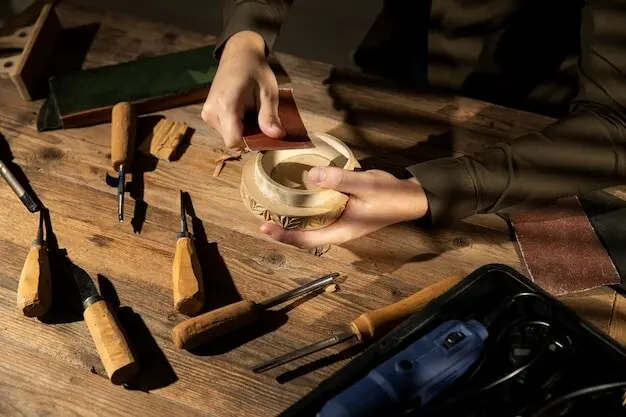
Beech offers a fine, even texture that carves predictably for utensils and turned bowls, while ash brings springy strength perfect for handles, frames, and snowshoe slats. Sawn from mindful cuts, both species reveal pale tones that accept natural oils, milk paint, or walnut dye. Each piece carries hillside patience, winter cold, and a promise of repairable longevity.

Spruce, Larch, and Weathered Endurance

Mountain spruce is light, resonant, and grateful for sharp edges that follow the grain, ideal for boxes, frames, and musical details. Larch resists damp through resinous heartwood, recalling alpine shingles that shrug off storms. Makers lift boards from highland sawmills, choose tight knots carefully, and design joints that move with seasons, instead of fighting the snow, sun, and wind.

From Log To Heirloom: Seasoning and Finishes

Logs are rived or sawn, stacked with generous stickers, and shaded so breezes temper moisture without rushing checks. Months turn to seasons until wood rests steady, ready for chisels and planes. Linseed oil, beeswax, and propolis-based polishes protect surfaces with gentle luster, while casein paint adds breathable color. The result feels alive in the hand and easy to renew.

Wool Trails Across High Pastures

High meadows echo with bells, and fleeces grow dense under shifting alpine skies. Shepherds prioritize animal welfare, clean water, and rotation, then send fibers to small scours and carders that respect lanolin and crimp. Spinners, weavers, and felters co-create warmth, texture, and resilience, turning local abundance into garments and goods that hold stories of dawn frost and patient care.

Breeds and Fiber Character

Mountain flocks thrive where grass is tough and weather sharpens instincts. Staple length, crimp, and micron count guide each use: durable socks, felted slippers, lofty blankets, or sturdy packs. Careful sorting and gentle washing preserve bounce and luster. Handspun yarn sings differently than millspun, yet both link hands to hillsides, celebrating welfare-minded herding and seasonal rhythms.
Plant Dyes From Hills and Hedgerows

Color rises from walnut hulls, onion skins, birch leaves, alder bark, and late-summer marigolds. Mordants measured with care keep waterways safe, while rainwater softens hues to mountain-mist subtleties. Dyepots simmer beside stories, field notes, and experiments. Swatches become a living palette, teaching patience, documentation, and the satisfying surprise of sunlight developing gentle, earthy complexities.
Felting, Weaving, and Mountain Warmth

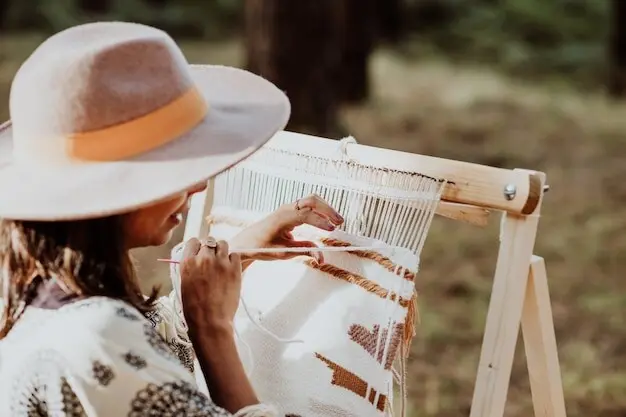
Felters coax fibers together with soap, water, and rhythm, building seamless slippers and weather-tough satchels. Weavers balance warp and weft into blankets that remember starry nights and long rambles. Local looms and communal tables keep knowledge circulating, while mending circles ensure each piece travels farther. Wool’s breathability and strength reward daily use, layered meaning, and thoughtful care.
Roots, Bark, and the Quiet Strength of Non‑Timber Gifts

Forests offer more than boards. Bark, bast, roots, cones, needles, and leaves provide structure, texture, and scent when gathered thoughtfully, leaving wildlife pathways and future growth. Makers learn seasons, tools, and respectful limits, turning overlooked abundance into cordage, containers, bindings, and finishes that feel grounded, biodegradable, and deeply connected to living cycles that renew themselves with time.

Linden Bast and Willow Bark

Linden bast, soaked and teased into supple ribbons, weaves baskets and mats that flex yet endure. Willow bark strips become ties, lashing fence hurdles or framing carriers without metal. Harvest happens after sap’s rise, with measured cuts and rests between trees. Each strand remembers shade, birdsong, and rain, forming structures as kind to hands as to habitats.

Spruce Roots and Mountain Basketry

Thin spruce roots, lifted from sandy patches and carefully backfilled, stitch together tough, elegant baskets. Their natural taper binds tight without harsh knots, nesting smoothly against split staves. Harvesters keep notes on patches, spacing returns to let soils heal. Finished baskets creak softly like forest floors, useful for mushrooms, yarn, or daily markets, mending easily across decades.

Resins, Waxes, and Herbal Polishes

Pine resin, beeswax, and plant oils blend into protective balms that breathe with wood and leather. Infusions of yarrow, chamomile, or calendula add subtle scent and care for working hands. Small batches respect seasons and bee health, while glass jars invite refills. Surfaces glow, not glare, repelling moisture yet welcoming touch and regular, satisfying re-application after long use.

Stone, Clay, and Mineral Echoes of the Alps

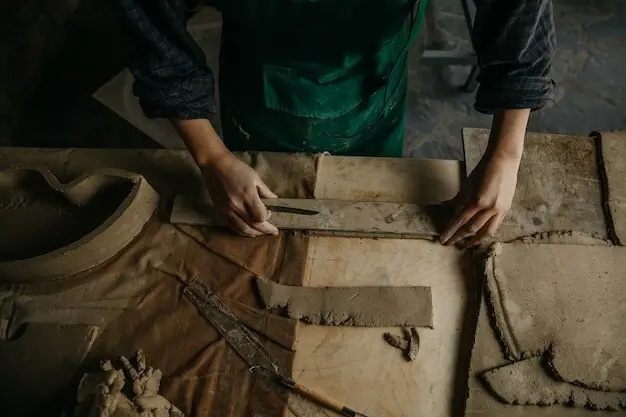
Rivers tumble stones smooth; slopes reveal quiet seams of clay and resilient rock. Makers choose offcuts, river-gathered pebbles, and small deposits, avoiding damage to streambeds and alpine soils. Simple tools shape functional forms and accents. Fired low, finished minimally, mineral pieces ground airy fibers and woods, adding weight, memory, and weathered clarity to everyday, repairable objects.

Ethical Stone Gathering

Walk riverbanks after high water, lifting only what lies loose, never prying from embedded beds. Choose sizes a backpack can carry without tearing trails, and clean pieces away from streams. Simple sawing, pecking, and sanding reveal durable curves. Inlaid beads or burnished handles lend cool quietness, balancing warm wood and soft wool with the Alps’ resilient calm.

Mountain Clays and Gentle Firing

Small clay seams, responsibly tested, become cups, button blanks, and tealight holders. Low-impact kilns use careful stacking, insulation, and shared firings to conserve fuel. Ash slips and local grog strengthen bodies without synthetic additives. Finished forms feel like riverbed pebbles warmed by palms, inviting daily rituals of tea, threading, and tidying that honor slowness and attentive stewardship.

Mineral Accents With Organic Surfaces

Slate, serpentine, or limestone offcuts become book-ends, tool rests, and blade burnishers. Set alongside oiled beech or wool felt, these accents calm compositions and protect workspaces. Beeswax on stone deepens tone; chamfered edges defend fabrics. Minimal intervention invites materials to converse, letting mountain geology support forest fibers in balanced, durable pairings that reward care and considerate handling.

Forest Stewardship You Can Hold

Harvest Calendars and Agreements

Clear agreements align moon phases, thaw cycles, and road access, protecting soils from rutting and streams from silt. Selective cuts prioritize habitat, windfirm edges, and regeneration patches. Makers request sizes they can truly use, embracing knots and character. Shared spreadsheets, handshakes, and regular walks maintain trust, so woodlands remain healthy while workshops stay purposefully supplied.

Traceability, Labels, and Local Stories

Stamps, burn marks, or discreet QR codes connect bowls, blankets, and baskets to ridgelines, herders, and millers. Customers learn which valley gifted the board, which pasture grew the fleece, and which hands guided its form. Transparent lineage strengthens value, deepens care, and turns each purchase into ongoing support for good forestry, humane husbandry, and rivers kept clear.

Care, Repair, and Return

Simple maintenance extends usefulness: re-oil wooden tools, air wool under shade, brush stone clean. Makers offer repair appointments, spare parts, and tutorials, celebrating fixes as milestones rather than flaws. When life ends, materials separate easily, composting or returning to recycling streams. Stewardship becomes ordinary habit, counted in years of service rather than trends or seasons.

Stories From Trails and Workshops

Craft is a line of footsteps: someone taught a grip, shared a dye, passed along timing for bark. In mountain towns and forest edges, makers swap notes and lend blades, building a culture of care. These vignettes hold weather, neighbors, and the stubborn joy of shaping materials that answer to place first, fashion second.

The Turner Near Kočevje

He points to rings before he planes, recalling storms that tightened grain. Offcuts become spoons; shavings warm a neighbor’s kiln. Children choose their first mallets, then return months later with nicks and questions. The turner smiles, showing how oil and patience erase mistakes, teaching more about forests than tools through stories of careful, seasonal choosing.

Morning Among Sheep Above Logar

Dawn fog lifts as ewes shuffle toward new grass. Hands feel fleeces, notating density with gentle squeezes, already imagining winter blankets. A portable wheel hums by the fence, twisting drafts of place into thread. Coffee steams, dogs nap, and laughter travels down the valley, proof that warmth begins long before wool meets loom.

Hands Beside the Soča

A maker kneels on a flat stone, rinsing alder-dyed yarn in glacial water, mindful to keep mordants contained. Pebbles clack beneath the current; beech needles drift along eddies. Later, a basket of spruce roots dries in the shade. Friends gather, trading techniques like recipes, promising to meet again when larch cones fall.

Your Hands, Your Map

The path forward belongs to you. Begin with what grows nearby, ask elders about timing, and listen for rivers’ advice. Share your experiments, questions, and repair victories, and subscribe for monthly field prompts that nudge practice gently forward. Comment with dye notes, wood sources, and photos, shaping a caring circle where materials, makers, and landscapes grow together.
Nariviromexopalonovilaxi
Privacy Overview

This website uses cookies so that we can provide you with the best user experience possible. Cookie information is stored in your browser and performs functions such as recognising you when you return to our website and helping our team to understand which sections of the website you find most interesting and useful.