Winding Through Slovenia’s Living Workshops

Welcome to Artisan Heritage Trails: Exploring Slovenia’s Traditional Craft Villages, a joyful journey into lace-lined windows, ringing forges, fragrant woodshops, honeyed courtyards, and glass-bright studios where skill and story meet. We’ll guide you from alpine valleys to sunlit plains, introducing makers who shape identity with their hands and hospitality. Expect practical tips, soulful encounters, and invitations to try time-honoured techniques yourself. Share your questions, subscribe for fresh routes and maps, and tell us which villages you dream of visiting next as we set out together with curiosity and care.

Begin Your Path Among Mountains and Makers

Picture early light slipping between Karawanks and Julian Alps as you trace small roads toward quiet courtyards where crafts still anchor daily life. This journey rewards unhurried steps: allow time for conversations, tea, and the rhythmic patience of handwork. Distances are friendly, yet stories stretch wide, from Idrija’s lace pillows to Kropa’s iron hearts, Ribnica’s wood to Rogaška’s crystal clarity. Travel by train, bus, or car, then wander on foot; greet gently, look closely, and let questions open doors you never knew were there.

Chart Your Route With Flexibility

Base yourself in Ljubljana or a hill town, then plan small arcs to nearby villages, pairing morning workshops with afternoon strolls. Public transport links many hubs, yet a rental car unlocks side valleys where family workshops thrive. Keep margins for surprises, because invitations often arrive softly, over garden gates or steaming bowls of jota. Save coordinates for visitor centres, carry cash for small purchases, and remember that an extra hour beside a loom or anvil can become your favourite souvenir.

Etiquette That Opens Studio Doors

Knock, smile, and wait; makers may be mid-process with hot iron, fragile glass, or intricate threads. Ask before filming, avoid flashes near delicate work, and never handle tools without permission. Prices reflect years of practice and fair materials, so bargain gently, if at all, by asking about options or sizes rather than discounts. Offer gratitude in words, not demands; often, an artisan’s best stories arrive after trust is earned, when the workshop quiets and hands finally rest.

Words That Warm Every Welcome

A few Slovenian phrases carry great kindness: “Dober dan” for hello, “Hvala” for thank you, and “Prosim” for please or you’re welcome. Combine them with attentive listening and open curiosity. If language falters, sketches, gestures, and smiles translate techniques surprisingly well. Bring a small notebook for patterns, names, and addresses, and ask to spell family surnames correctly for future orders. Share your own background briefly; exchanges bloom when respect flows both ways, turning a short visit into a lasting friendship.

Lace, Iron, Clay, Wood, and Glass Under One Sky
Watch nimble fingers dance across a pillow crowded with pins as lace grows from air, number, and rhythm. Idrija’s practice helped inspire Slovenia’s recognition of bobbin lacemaking on UNESCO’s Representative List of the Intangible Cultural Heritage of Humanity, affirming community, perseverance, and artistry. Ask how patterns travel between generations like songs, and try a beginner stitch to feel patience settling into your shoulders. Lace here is mathematics and memory entwined, a quiet triumph unfolding millimetre by millimetre.
In Kropa, the heartbeat of iron echoes from stone walls, telling of nails that built bridges and homes far beyond the valley. Step close to the anvil’s music and learn how heat, timing, and courage coax form from fire. A master smith may invite you to strike a ceremonial blow, teaching posture and breath. Soot will kiss your sleeves, pride will rise in your chest, and you will suddenly understand why a hammer’s face must be polished like a mirror.
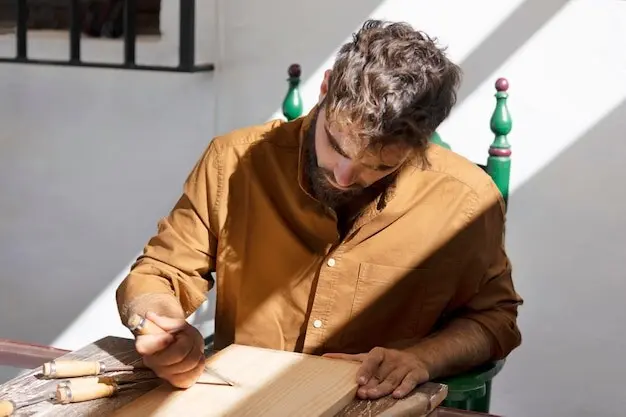
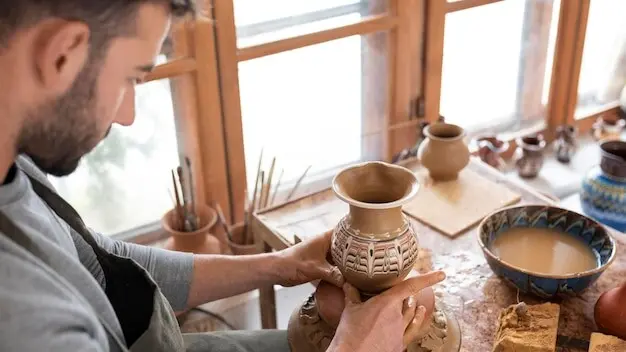
Ribnica’s shelves carry spoons, sieves, toys, and bowls shaped for daily grace, alongside pottery whose glazes recall riverbeds and rain. This is humble brilliance: objects tuned to work, carry, pour, and last. Ask about seasoning wood, kiln temperatures, and the subtle balance between form and grain. The best pieces invite touch, because fingerprints enrich stories rather than tarnish them. When you lift a ladle carved by a grandparent and sanded by a grandchild, continuity becomes weight you can feel.

A First Dance With Bobbins and Pins

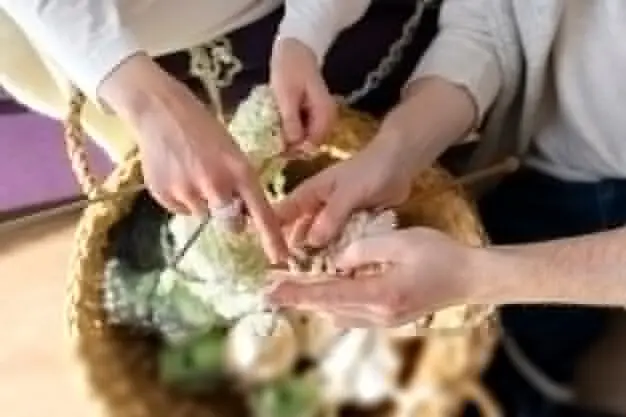
Begin by learning how to tension threads, park bobbins, and read pattern pricking like a map of possibility. Your tutor will slow the dance into counts you can follow, then speed it until rhythm carries you. Mistakes are welcomed as milestones, unpicked kindly, retied with laughter. Photograph your progress between steps, jot notes about hand positions, and ask about caring for lace at home. When a tiny motif finally appears, you will understand patience as a friend, not a hurdle.

From Clay to Cradle: Turning a Bowl

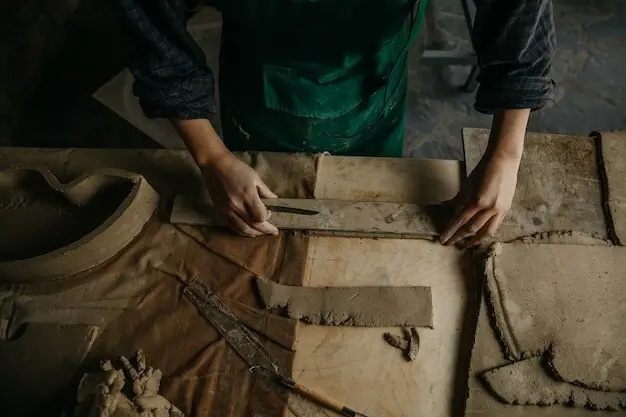
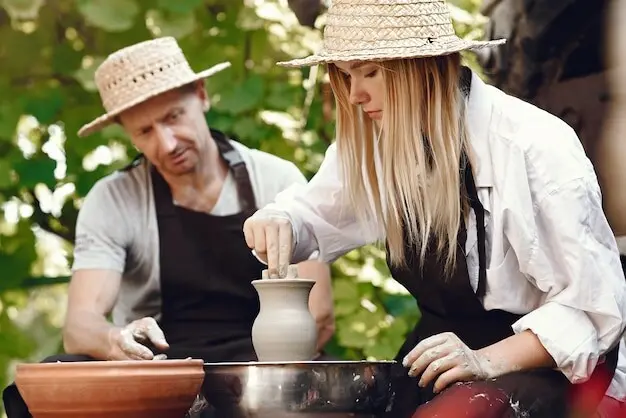
At the wheel, breathe steadily, centre clay with the heel of your hand, and feel wobble transform into trust. A potter will guide your elbows and suggest when to lift, when to wait, when to accept an unexpected curve. Learn trimming, smoothing, and simple glazing, then sign the base with quiet pride. Firing takes time, so arrange pickup or shipping, and remember that slight asymmetry whispers handmade truth. Every sip from that future bowl will return you to this moment.

Honey, Wax, and Painted Panels

Meet Slovenia’s gentle Carniolan honeybees and the keepers who steward hives with generational wisdom. Taste floral variations, roll a beeswax candle, and try painting a miniature motif inspired by traditional beehive panels that once told stories at the apiary wall. Discuss pollinator health, seasonal cycles, and respectful apiary visits. Purchase honey bearing trusted regional markings, reuse your jar, and carry home a scent that mellows winter. You will never look at wildflowers the same way again.

Faces, Hearths, and the Stories That Endure
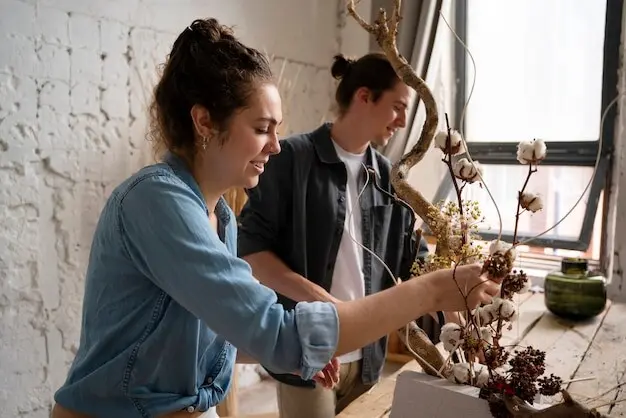
Craft villages are biographies you can hold. Behind every patterned edge and tempered blade stands a person whose hands memorised a lineage of motions. Listening matters as much as looking; ask about first teachers, favourite failures, and moments when a technique changed everything. You may hear of wartime shortages solved by ingenuity, of patterns hidden in drawers, of tools rescued from barns. These stories braid humility with excellence, anchoring objects in lived time rather than showroom gloss.

Reading Marks, Labels, and Provenance

Quality often hides in subtle clues: a discreet maker’s mark, a noted village name, a certificate from a recognised chamber, or a school seal like those associated with Idrija’s esteemed lace education. Ask for backstory—who taught the technique, which tools shaped it, why this pattern matters now. Photograph receipts and labels for customs and memory, and keep artisans’ contacts. When someone praises the object back home, credit the maker first, so your admiration multiplies into new support.

How to Carry Fragile Beauty Safely

Wrap glass and pottery in soft clothing, then add a rigid layer like a cardboard sleeve, nestling pieces mid-suitcase away from edges. For lace, use archival envelopes or clean folders, avoiding moisture and creases. Wood prefers breath, not plastic; try cotton bags. Declare food products properly, and check regulations for wax or unfinished wood. If shipping, request sturdy boxes, interior cushioning, and tracking. Ask makers for their preferred packing method; they have learned from countless safe journeys home.

Fair Prices Sustain Bright Futures

Behind every price lies rent, materials, training, taxes, and countless practice hours invisible to quick eyes. When budgets feel tight, choose smaller items or collaborative pieces rather than pressuring discounts. Consider preorders for custom work, allowing artisans to schedule efficiently. Tip for extra demonstrations, share content with permission, and join newsletters to hear about open studio days. When communities thrive economically, traditions bloom creatively, drawing young hands back to benches and looms where futures can be forged with pride.
Spring Sparks and Floating Lights
On Gregorjevo, children and blacksmiths set tiny boats with candles onto twilight water, symbolising the return of light to workshops. Arrive early for demonstrations, stay late for songs, and dress warmly for riverside breezes. Many studios extend hours, inviting you to peer at newly forged hinges or freshly starched lace. Ask about seasonal tasks, like tool maintenance or pattern planning. The celebration feels less like a show and more like a neighbourhood exhale, where winter slips away without hurry.

Alpine Heat to Coastal Breeze in Summer
Craft trails stretch from cool forests to the Adriatic’s soft glitter. Begin with morning glass-cutting in Rogaška Slatina, continue through woodshops shaded by pines, then end in Piran near salt pans where harvesting remains an art of patience and wind. Seek open-studio days, picnics beside rivers, and village squares where musicians trade reels for recipes. Pack water, sunhats, and a small sketchbook. Your loop becomes a moving classroom, every bend revealing a new teacher waiting at a familiar bench.
Nariviromexopalonovilaxi
Privacy Overview

This website uses cookies so that we can provide you with the best user experience possible. Cookie information is stored in your browser and performs functions such as recognising you when you return to our website and helping our team to understand which sections of the website you find most interesting and useful.